Red Light Panels vs Infrared Saunas (Category Check) review
Two categories the wellness industry sells as siblings that are really strangers: one is light, one is heat, and the evidence picture differs for each. If forced to pick, the sauna wins on the certainty of what you get — relaxation — while panels win on price, space and the willingness to run a personal experiment.
What we like
- Clarifies the most common confusion in home light-and-heat shopping
- The sauna's core deliverable — deep relaxation — is beyond dispute
- Panels are the cheaper, smaller, lower-commitment way into the category
- Neither requires the other; the 'stack them' upsell is optional by definition
Flaws but not dealbreakers
- Both categories carry health claims that outrun settled research
- Neither is a treatment, and marketing for both routinely implies otherwise
- The sauna asks for serious money, floor space and electrical planning
- Panel benefits are the harder ones to personally verify
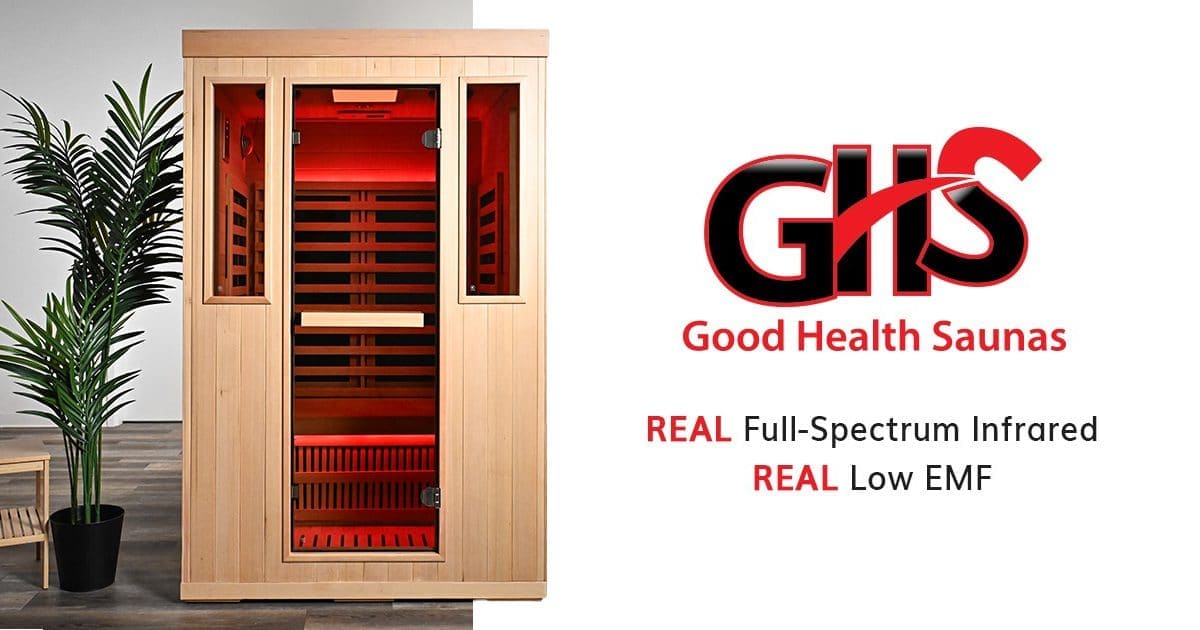
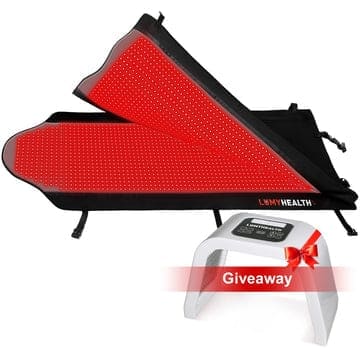
The wellness industry files red light panels and infrared saunas on the same shelf, and shoppers understandably conflate them — both glow, both promise recovery, both star in the same influencer routines. Mechanically they're different products: a panel shines specific wavelengths of light at you without meaningful heat, while an infrared sauna is fundamentally a heat experience that warms your body directly. Different mechanisms, different evidence pictures, different reasons to buy — which makes 'versus' the right frame even though the industry prefers 'and.'
What you can count on differs sharply. The sauna's headline benefit needs no study to verify: you will get hot, you will sweat, and you will very probably emerge relaxed in the way humans have prized since bathhouses were invented. The research into deeper health effects of regular heat exposure is active and interesting but unsettled — buy the cabin for the ritual and anything more is a bonus. The panel's proposition is nearly the mirror image: almost nothing about the experience is inherently pleasurable, and the entire value rests on gradual effects that research is still mapping and that individuals report inconsistently. One product delivers a certainty plus a maybe; the other is a maybe all the way down.
We ran the same rubric across the category in Heat, Light and Hype: What to Buy for Pleasure, Test with Caution, or Skip if you want the comparison.
The practical split is just as decisive. A panel costs a fraction of a cabin, hangs on a door or stands on a desk, and asks only minutes of consistency. A sauna is furniture-grade commitment: real money, real floor space, electrical planning and freight delivery. And both share one non-negotiable footnote — anyone with heart conditions, pregnancy, medication questions, or a medical problem they're hoping to address should talk to a doctor before buying either, because neither device is a treatment and persistent symptoms belong with a clinician.
There is a third confusion worth clearing up, because it costs people money: the infrared sauna and the traditional sauna are also not the same product. A traditional sauna heats the air, runs far hotter, and produces the sharp, steamy heat most people picture. An infrared cabin warms you rather than the room, which means it runs cooler, feels gentler, and starts working sooner — a genuine advantage for anyone who finds traditional heat overwhelming, and a disappointment for anyone whose idea of a sauna is the Nordic one. Try both somewhere public before committing to either at home, because this is a preference you cannot reason your way to.
The 'stack them' upsell deserves naming, since it is how the industry converts a choice into two purchases. Cabins now routinely ship with red LED arrays inside, and the pitch is that you get both categories at once. In practice a handful of LEDs mounted on a cabin wall is not the same proposition as a dedicated panel used at a controlled distance, and the addition is priced as though it were. If you want a sauna, buy the sauna on the strength of the heat. If you want to try light, buy a panel. Buying a cabin partly for its lights is paying a cabin premium for the weaker version of the cheaper product.
Running costs and upkeep rarely make it into the comparison and probably should. A panel draws modest power for a few minutes and needs a wipe-down. A cabin runs a heating cycle for a serious stretch every session, wants ventilation and drying time so the wood doesn't hold moisture, and — like anything with electronics in a hot damp box — has more that can eventually fail. Neither is burdensome, but only one of them is genuinely appliance-free.
Our tiebreaker, for the buyer who insists on one: if the budget and space exist and relaxation is the goal, the sauna's guaranteed deliverable beats the panel's speculative one. If the interest is curiosity about light therapy specifically, start with a panel from an accountable maker and treat it as a low-stakes experiment. And if the underlying motivation is treating something — skip both purchases and book the appointment first.
Key specs
- Type
- Category comparison — LED light panels vs infrared heat cabins
- Decision axis
- Guaranteed relaxation vs low-cost experimentation