
A Real Home Gym in the Space You Actually Have
Home fitness marketing assumes a spare room; most of us have a corner and a door frame. Here's how we'd build genuine strength and cardio capability into a small home — what to buy first, what earns its floor space, and where the money is better left unspent.
Resistance Bands vs Dumbbells (Category Check)
The bands-then-iron sequence is the highest-value path in home strength. Read the actual physics before buying anything with a motor or a logo.
MaxPro SmartConnect Portable Cable Gym
The Shark Tank cable gym that earns its price for progression-minded training in small spaces. A supplement to barbells, not an impersonation of them.
JayFlex CrossGrips Portable Gym
The renter's pull-up problem, solved without drilling, at accessory money. Bodyweight-first athletes need little else on the road.
Under-Desk Treadmills (Category Check)
Turns sedentary hours active instead of adding another workout to skip. Buy mid-tier, plan for the neighbors, and keep it under the desk, not in the closet.
Start with the cheapest resistance that works
The best first purchase in home strength is the least glamorous: a quality band set. It teaches the movements, costs almost nothing, fits in a drawer, and — crucially — tells you whether you'll actually train at home before you spend machine money finding out. Iron and machines are graduation purchases, not entry tickets.
Match the machine to your training style, not the ad
The portable-gym category splits into philosophies: adjustable cable resistance with tracking for progression-driven training, and clamp-on bodyweight tools for pull-up-first minimalists. Both deliver on portability; both fail identically when bought as intentions rather than habits. The question to answer before either purchase is what you already do consistently — equipment amplifies a habit, it doesn't install one.
Cardio that coexists with your life
The cardio gear that survives in small homes is the kind that doesn't demand its own hour. Walking while working beats planning workouts you'll skip, and the machine that lives ready under the desk beats the better machine folded in a closet. Buy mid-tier from brands with reachable support — this is the category where the bargain lottery genuinely bites.
Resistance Bands vs Dumbbells (Category Check)
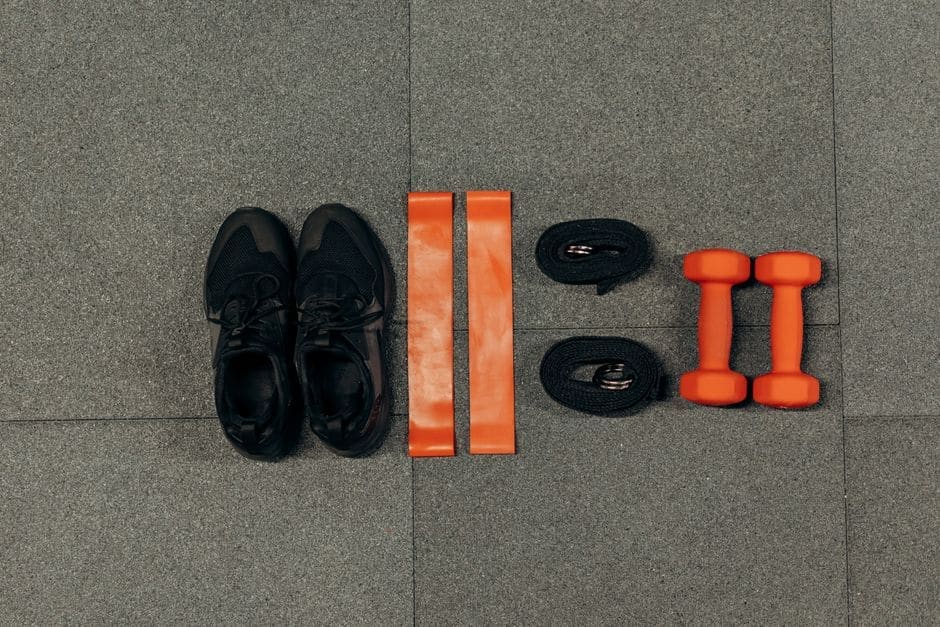
The bands-then-iron sequence is the highest-value path in home strength. Read the actual physics before buying anything with a motor or a logo.
What we like
- Bands: absurdly cheap entry, pack into a drawer, travel anywhere, scale by doubling up
- Dumbbells: gravity never lies — load is exact, repeatable and progressive for decades
- Bands load the top of movements where weights go light, useful for pulls and rehab-style work
- A quality adjustable dumbbell set plus one band set covers nearly everything a home lifter does
Flaws but not dealbreakers
- Band resistance is elastic guesswork — 'medium' means whatever the factory felt that day
- Bands wear out and snap; iron is functionally immortal
- Dumbbells cost real money at useful weights and claim permanent floor space
- Adjustable dumbbell mechanisms are the moving part that breaks on the immortal product
MaxPro SmartConnect Portable Cable Gym
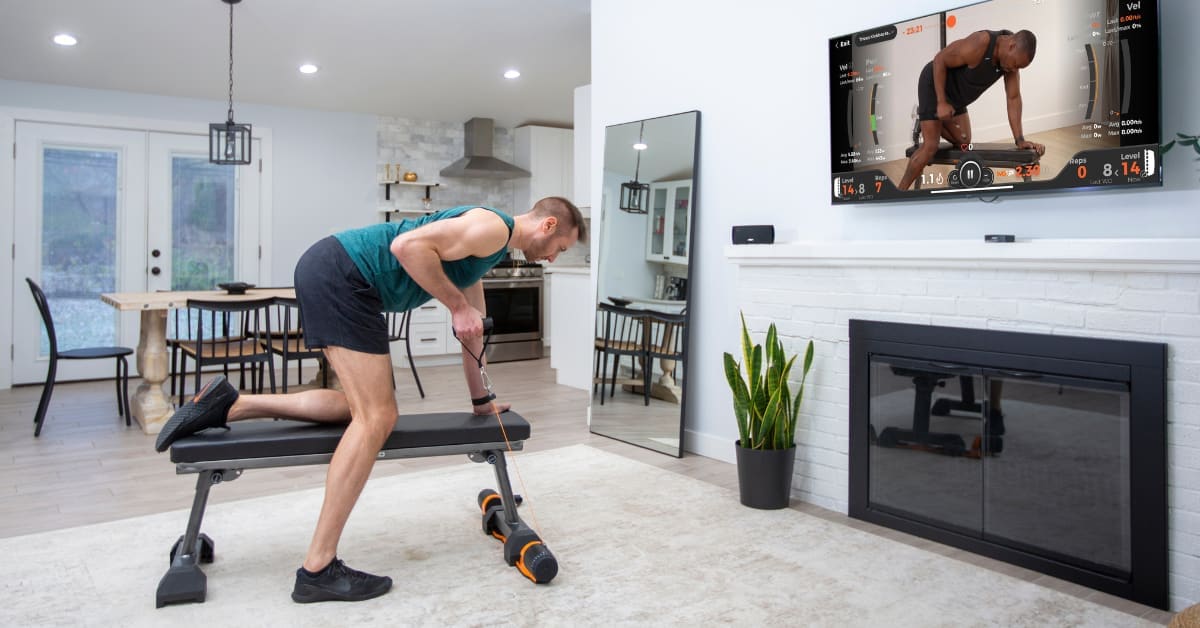
The Shark Tank cable gym that earns its price for progression-minded training in small spaces. A supplement to barbells, not an impersonation of them.
What we like
- Genuinely portable — the whole gym is one carryable unit, not a room commitment
- Cable resistance adjusts in seconds, so circuit-style workouts flow without plate math
- The app connection tracks your pulls, which quietly keeps casual lifters accountable
- Mounts and accessories extend it from floor work to door and bench setups
Flaws but not dealbreakers
- Cable tension does not feel like a loaded barbell, and no marketing changes that
- The strongest lifters will outgrow the top resistance on the big compound pulls
- It's the expensive option in portable resistance — bands cost a fraction
- Accessory ecosystem adds up if you want the full bench-and-mount experience
JayFlex CrossGrips Portable Gym
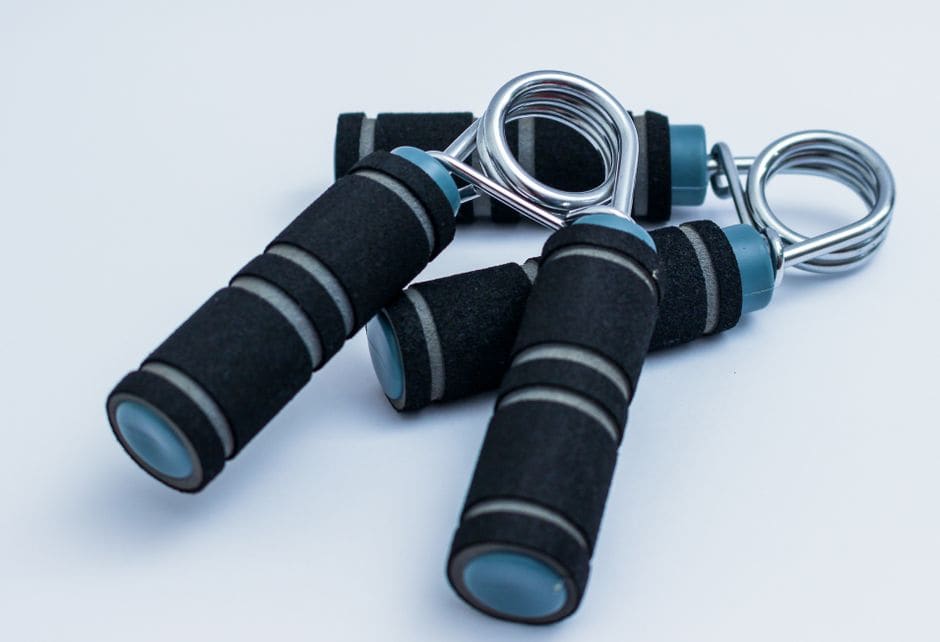
The renter's pull-up problem, solved without drilling, at accessory money. Bodyweight-first athletes need little else on the road.
What we like
- Installs on a door frame without drilling — the renter and traveler finally get pull-ups
- Packs small enough to genuinely travel, not 'technically fits in a car' portable
- Doubles as handles for floor work, rows and stretch positions
- Priced like an accessory, not a machine — the entry cost is easy to justify
Flaws but not dealbreakers
- Your door frame is now load-bearing equipment — geometry and trim quality matter
- Bodyweight-plus-gravity is the whole resistance menu; no dialing tension up or down
- Not a full-gym replacement despite category marketing that gestures that way
- Heavier users should check the stated capacity against their door reality, not just the spec sheet
Under-Desk Treadmills (Category Check)

Turns sedentary hours active instead of adding another workout to skip. Buy mid-tier, plan for the neighbors, and keep it under the desk, not in the closet.
What we like
- Attacks the actual problem — hours of sitting — instead of adding another workout to skip
- Slow walking pairs with real work; typing and calls survive it once you adjust
- No-handrail walking pads slide under furniture in a way treadmills never could
- Usage tends to persist because it costs no willpower once the habit forms
Flaws but not dealbreakers
- Budget units are built to a price: modest motors, plastic decks, warranties worth reading twice
- Belt lubrication and deck care are real chores the marketing never mentions
- It's a walking tool, not a running machine — pace ceilings and no incline on most pads
- Noise and vibration travel through floors; downstairs neighbors get a vote