Resistance Bands vs Dumbbells (Category Check) review: start here
The most useful fight in home fitness, and the answer is a split decision: dumbbells win on honest load and longevity, bands win on price, space and joints-friendly versatility. The real recommendation is boring — most home setups should start with bands and add iron only when the bands stop being hard.
What we like
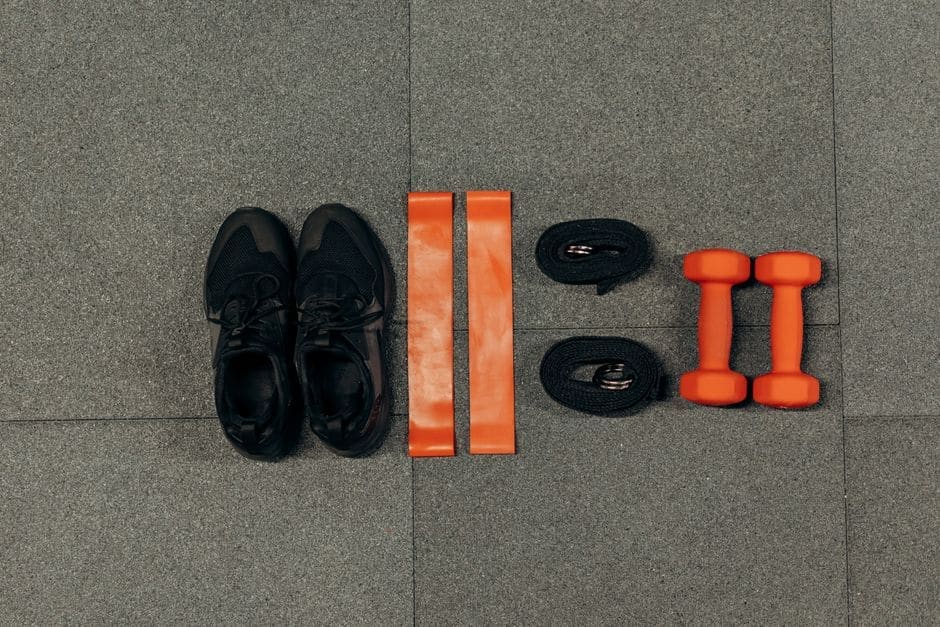
- Bands: absurdly cheap entry, pack into a drawer, travel anywhere, scale by doubling up
- Dumbbells: gravity never lies — load is exact, repeatable and progressive for decades
- Bands load the top of movements where weights go light, useful for pulls and rehab-style work
- A quality adjustable dumbbell set plus one band set covers nearly everything a home lifter does
Flaws but not dealbreakers
- Band resistance is elastic guesswork — 'medium' means whatever the factory felt that day
- Bands wear out and snap; iron is functionally immortal
- Dumbbells cost real money at useful weights and claim permanent floor space
- Adjustable dumbbell mechanisms are the moving part that breaks on the immortal product
Every home fitness journey hits this fork, usually while staring at a spare corner of a bedroom: rubber or iron? The marketing on both sides is confident and the truth is contingent, so let's do what the ads won't and talk about physics. A dumbbell resists you the same amount through the whole movement, forever, with a number stamped on the side that means exactly what it says. A band resists you more the further you stretch it, weighs nothing, costs almost nothing — and its 'resistance level' is an approximation that drifts further from the label as the latex ages in a drawer.
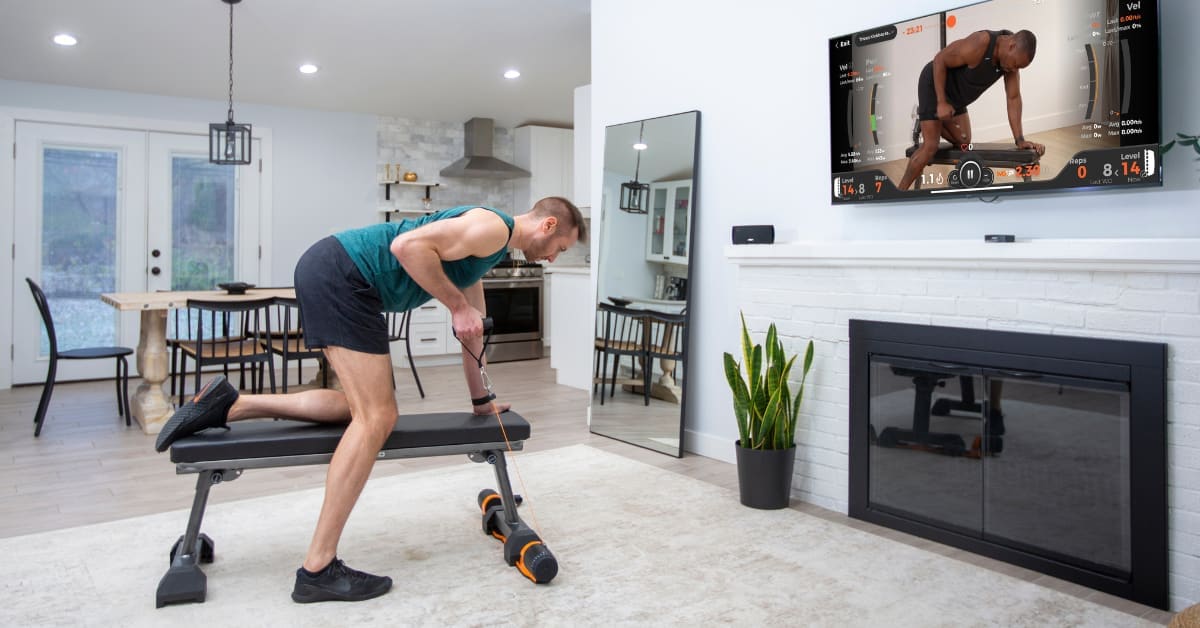
The case for bands as the starting point is mostly practical and partly physiological. Practically: the entry price is trivial, the storage footprint is a drawer, and a set travels in a laptop bag, which means the workout happens on trips instead of pausing for them. Physiologically: the ascending resistance curve is gentle on joints at the start of a movement and demanding at the end, which suits pulling exercises, warm-ups and the controlled-tempo work most beginners should be doing anyway. For a new home exerciser, bands remove every excuse that matters — cost, space, intimidation — and they double as the travel kit, the warm-up tool and the deload option long after heavier equipment arrives, which is why even iron-first lifters usually own a set anyway.
The category context lives in our A Real Home Gym in the Space You Actually Have.
The case for dumbbells is what happens after month six. Progression wants precision, and elastic guesswork frustrates it: you can't add a small honest increment to a band the way you can pick up the next dumbbell. Load-bearing movements — presses, carries, squats and hinges with real weight — build strength in a way stretched latex struggles to match at the top end. And there's the lifespan asymmetry: bands are consumables that degrade, dry out and eventually snap (inspect them; a band failing mid-pull is a genuinely nasty surprise), while a dumbbell purchased today outlives its owner.
The adjustable-dumbbell wrinkle deserves its own paragraph, because it's the compromise most small homes land on: one pair replacing a rack. The good ones are excellent and the mechanism is the catch — dial and pin systems add a failure point and usually a warning against dropping, which is a strange property in an object whose entire job is being heavy. Buy a reputable one, treat it gently, and it's the highest-value iron in the house; buy the bargain version and you've purchased a countdown to a stuck dial at your working weight. Fixed dumbbells dodge the whole issue at the cost of space, which is the trade this entire article keeps circling back to.
Verdict for the category fight: it's not a fight, it's a sequence. Start with a quality band set and learn the movements for the price of a takeout order. When the heaviest band stops being hard on your pulls and presses, that's not a failure of bands — it's your graduation notice, and the iron aisle is expecting you.
Key specs
- Type
- Category comparison — elastic vs iron resistance at home
- Honest answer
- Bands first, iron when bands stop challenging you